


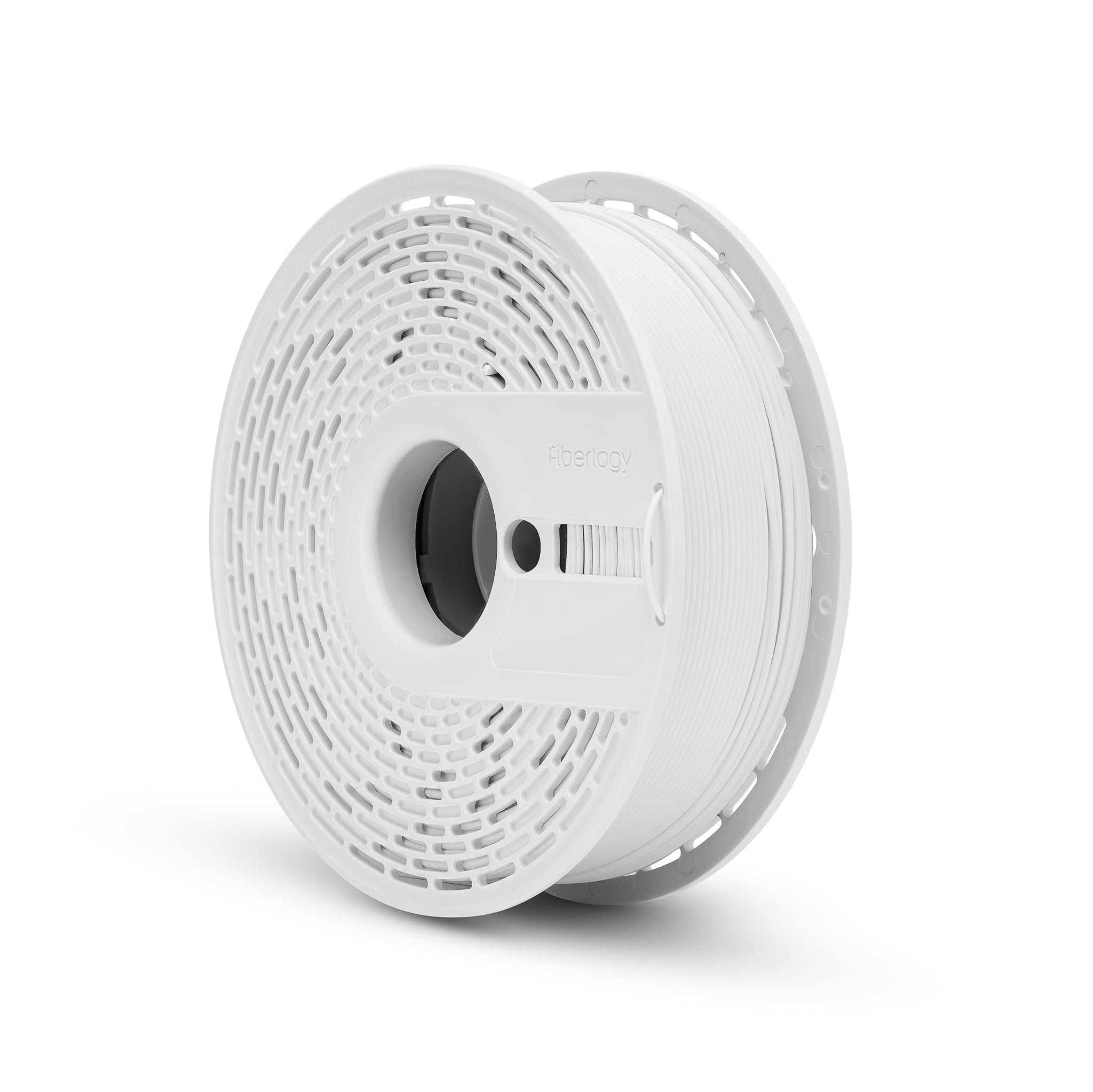
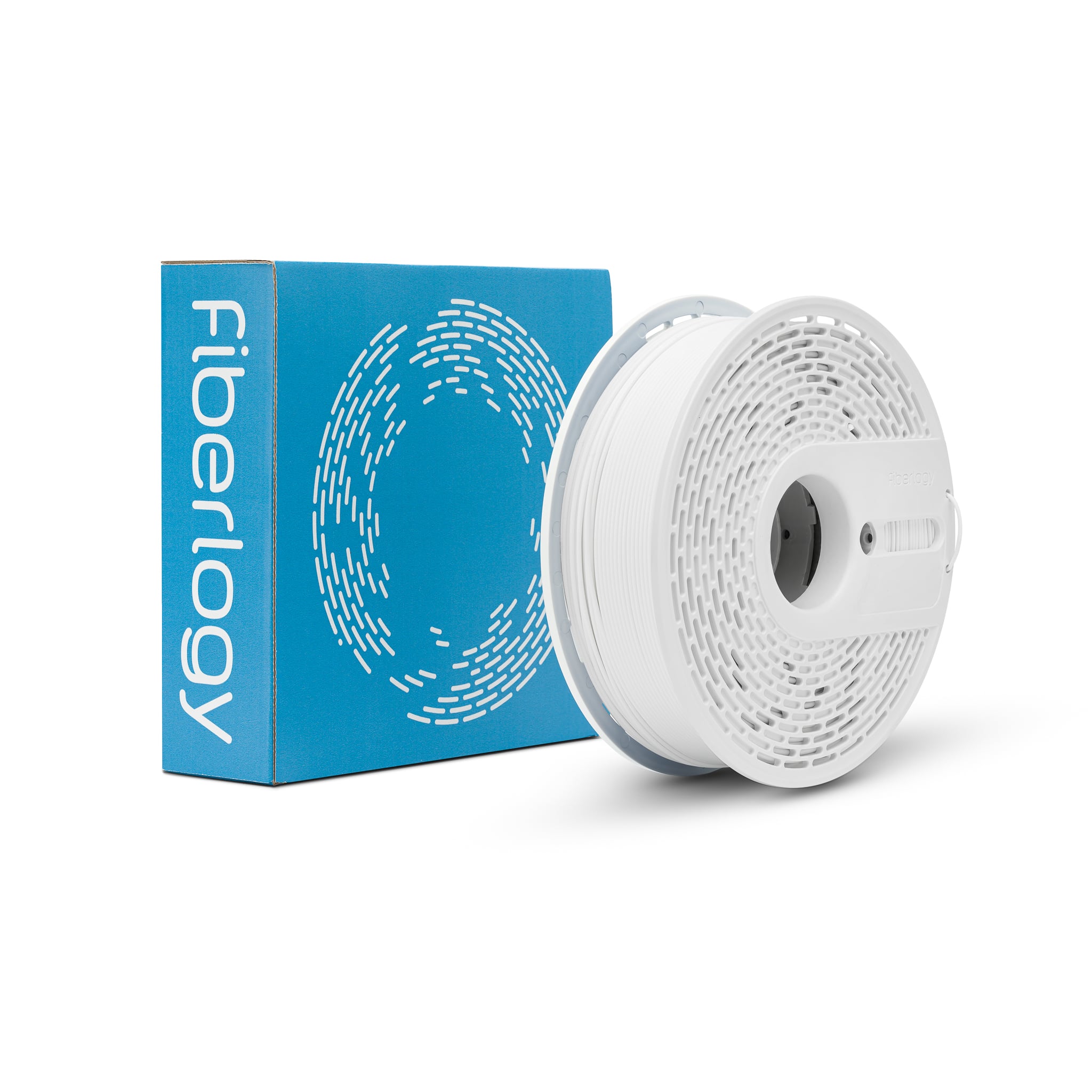
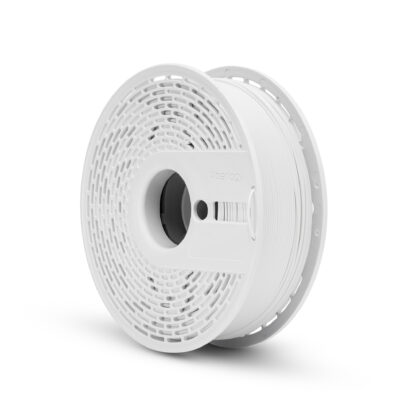
Easy PETG White 850g Fiberlogy
Product Description
Fiberlogy EASY PET-G is a high quality 3D printing material that combines easy printing, excellent appearance and high mechanical strength. It is ideal for users looking for a balance between strength and printability comparable to EASY PLA.
Thanks to its glycol content, EASY PET-G offers increased resistance to mechanical stresses, chemicals and external conditions. The high amorphous content and excellent flow properties allow the creation of parts with high transparency and improved adhesion between layers.
Printing with EASY PET-G eliminates the typical problems of standard PET-G, such as stringing, air bubbles and material burnout. Achieving aesthetic and robust models is as easy as with PLA – even with standard 3D printers.
The combination of strength and ease of printing makes EASY PET-G an excellent choice for hobby users and professionals alike – providing the durability of PET-G with the predictable behavior of PLA.
The filament is available in 1.75 mm diameter, in both transparent and opaque versions, in a wide range of saturated colours. The bright shades and slightly reflective effect give a modern and attractive look to the printed details.
EASY PET-G is ideal for the production of decorative elements, electronics boxes, containers and functional parts.
Recommendations and settings
Print settings
| Printing temperature: 220-250°C |
| Bed temperature: 90°C |
| Printing Surface: Smooth PEI + Adhesive; Textured PEI; Glass + Adhesive |
| Drying: 60°C / 4 hours |
| Closed chamber: not necessary |
| Cooling fan: 0-25% |
Tips and recommendations
| Possible damage to the bed: due to the strong adhesion to the surface, direct printing on the bed or glass is not recommended as this can cause damage. The use of adhesive or protective tape is recommended. |
Properties
| Density: 1.29 g/cm³ |
| Tensile strength (Yield): 51 MPa (ISO 527) |
| Tensile modulus: 2800 MPa (ISO 527) |
| Elongation at yield: 4% (ISO 527) |
| Elongation at break: 29% (ISO 527) |
| Flexural strength: 70 MPa (ISO 178) |
| Bending modulus: 2000 MPa (ISO 178) |
| Impact strength (Izod, notched, 23°C): 5 kJ/m² (ISO 180) |
| Deformation temperature (0.45 MPa): 68°C (ISO 75) |
| Deformation temperature (1.8 MPa): 62°C (ISO 75) |
| Vicat softening point: 78°C (ISO 306) |
| Glass transition temperature: 80°C (DSC) |



There are no reviews yet.